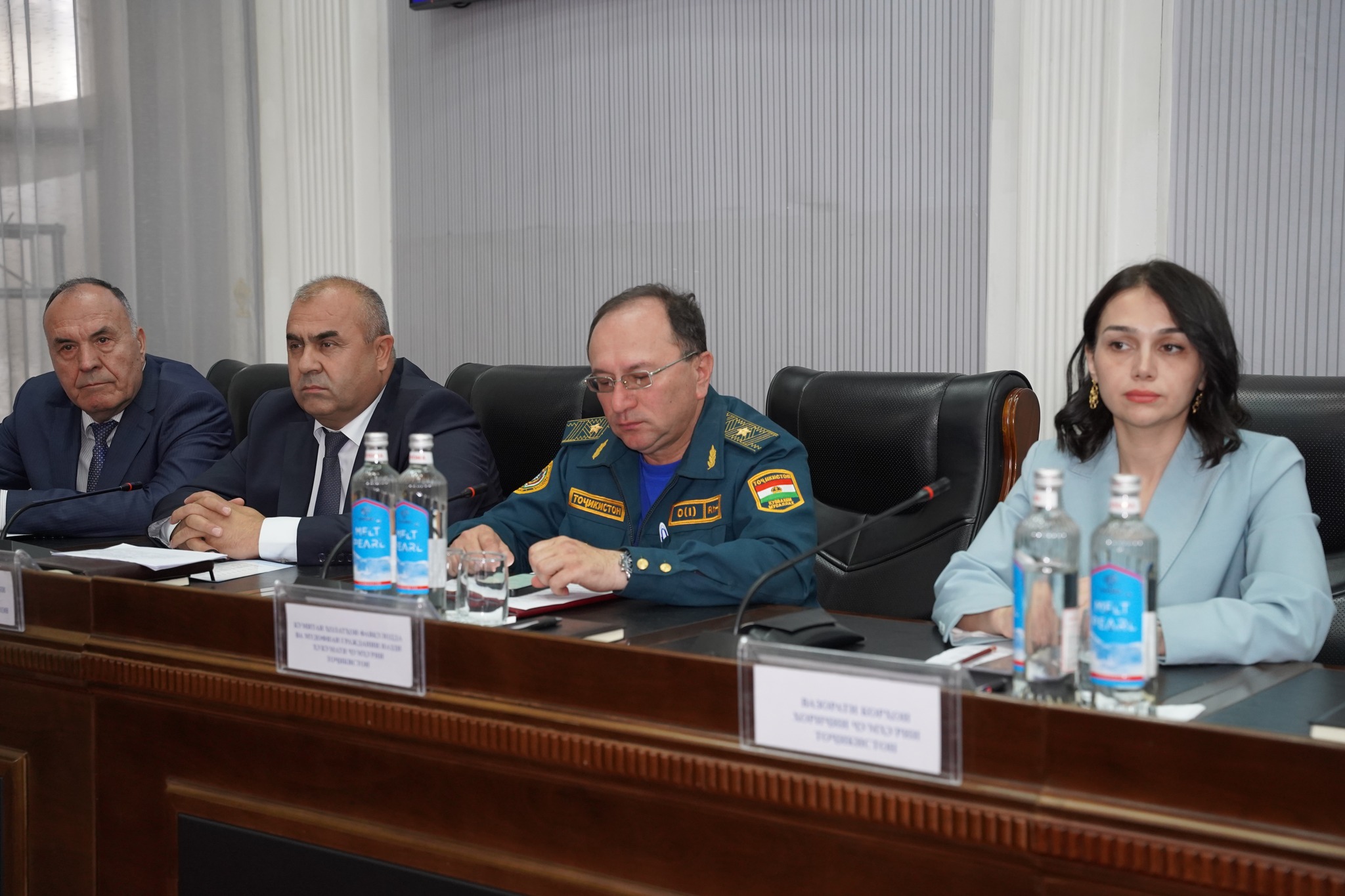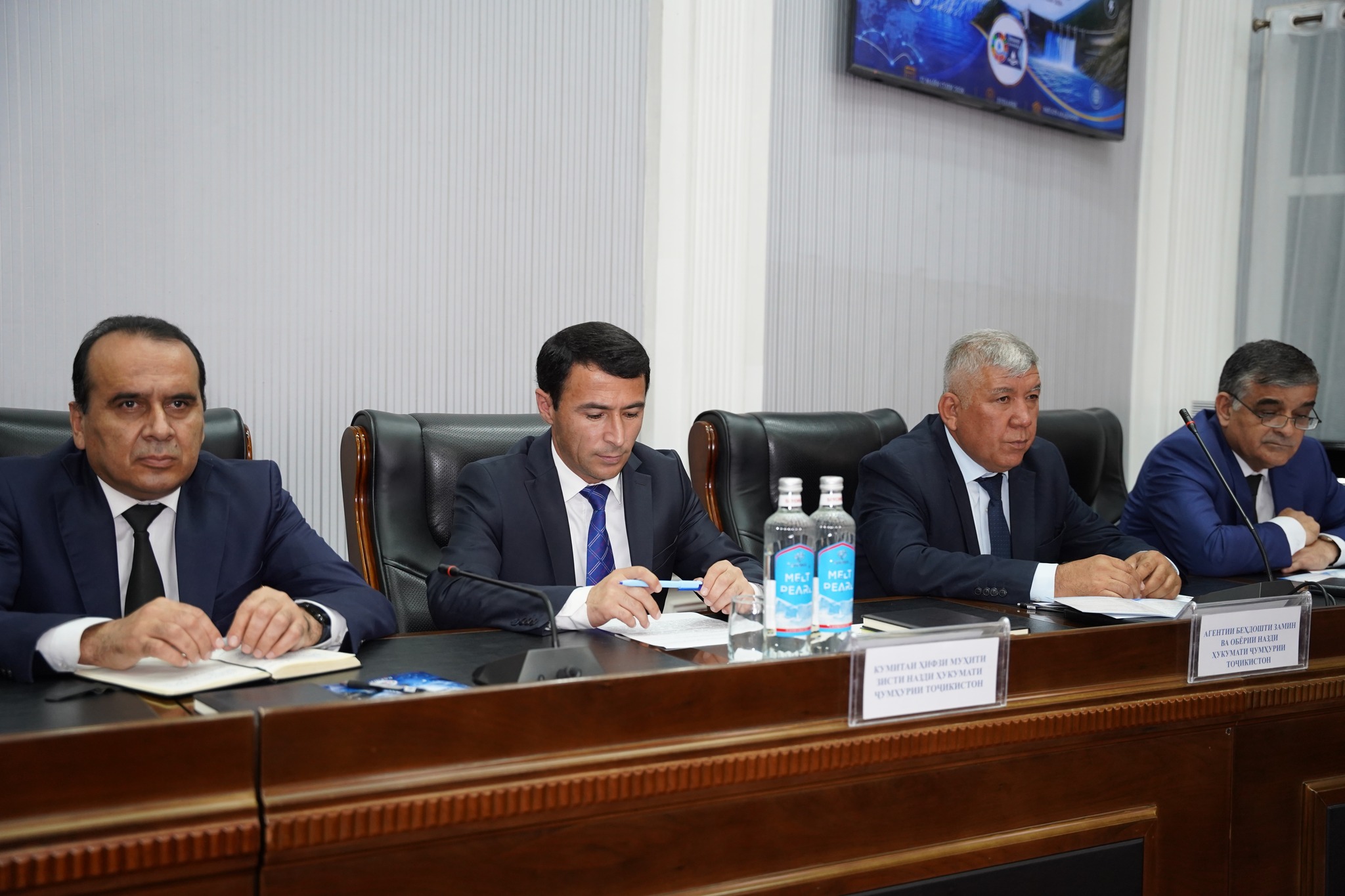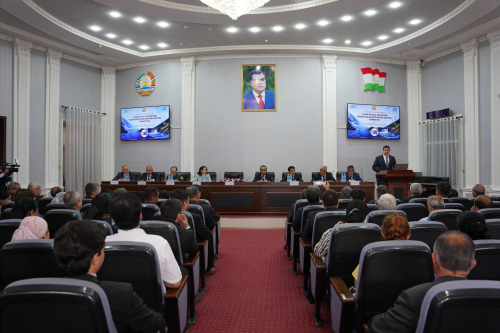
In his opening remarks, the President of the National Academy of Sciences of Tajikistan, Academician Khushvakhtzoda Qobiljon Khushvakht, stated that the Founder of Peace and National Unity – Leader of the Nation, President of the Republic of Tajikistan, Honourable Emomali Rahmon, has been recognized internationally as an initiator of humanitarian and integrative ideas related to water, climate, and environmental protection issues.
It was emphasized that since the early 2000s, the initiatives of the Leader of the Nation, Honourable Emomali Rahmon, entitled “International Year of Freshwater” (2003), “International Decade for Action ‘Water for Life’” (2005–2015), “International Year of Water Cooperation” (2013), “International Decade for Action ‘Water for Sustainable Development’” (2018–2028), “International Year of Glaciers’ Preservation” (2025), “Decade of Action for Cryospheric Sciences” (2025–2034), “Strengthening Cooperation on Water Resources and Climate Change for Sustainable Development in the Asia-Pacific Region” (2025), and “Preservation of Glaciers and the Cryosphere, Especially in Mountainous Regions” (2025) have all been endorsed by the international community.
It was noted that one of the unique initiatives of the Government of Tajikistan aimed at implementing the timely and significant initiatives of the Leader of the Nation, Honourable Emomali Rahmon, and creating a platform for political dialogue, partnership, and action in the field of water resources and sustainable development, is the Dushanbe Water Process. Within the framework of this process, the Government of the country, in cooperation with the United Nations, organizes high-level international conferences every two years to ensure the practical implementation of the key objectives of the International Decade for Action “Water for Sustainable Development, 2018–2028”.
It was mentioned that within the framework of the Dushanbe Water Process platform, three high-level international conferences (held in 2018, 2022, and 2024), as well as the United Nations Water Conference in 2023, have already taken place. Currently, preparations are underway in the country, particularly in the city of Dushanbe, for the Fourth High-Level International Conference, which will be held on May 25–28, 2026.
It was stated that within the framework of the first high-level international conference, which marked the beginning of the implementation of the goals of the International Decade for Action “Water for Sustainable Development, 2018–2028”, six side events were organized, creating favorable conditions for broad discussions on water-related issues and the priority themes of the conference. At the conclusion of the conference, three important and timely documents were adopted – the Co-Chairs’ Summary, the Final Declaration, and the Call for Action and Partnership. The Final Declaration of the first conference reflected important conclusions and recommendations and called upon member states and other stakeholders to invest in the water sector, strengthen the efficient use of water resources, eliminate inequalities in the sector, and ensure universal access to safe drinking water and sanitation.
It was also noted that the second high-level international conference was held under the title “Promoting Action and Partnership on Water Resources at the Local, National, Regional, and Global Levels” and created new opportunities and conditions for bringing together political leaders and sectoral experts in water resource management to discuss existing challenges and ways to address them. Its main objective was to identify key issues related to water resource management, develop strategies to improve access to drinking water, and strengthen cooperation among governments, organizations, stakeholders, and civil society to ensure sustainable development. Within its framework, ways to encourage public participation in decision-making processes at various levels were also discussed.
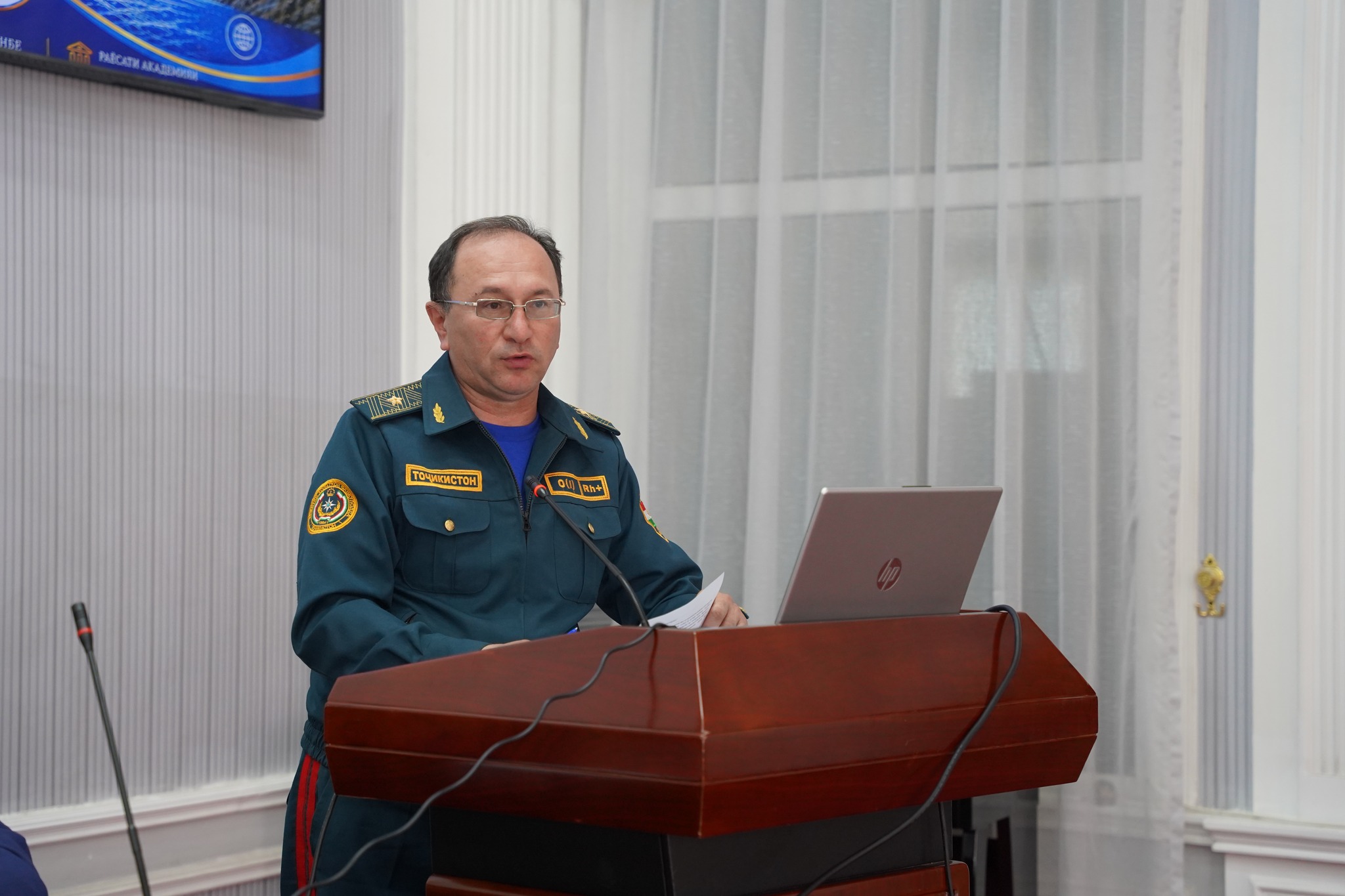
Continuing the conference, the Director of the Institute of Water Problems, Hydropower and Ecology of the National Academy of Sciences of Tajikistan, Gulahmadzoda Aminjon Abdujabbor, representatives of ministries and agencies, scientists, and researchers delivered reports on pressing issues related to the water sector, climate change, glacier preservation, and the role of science in implementing the international initiatives of the Republic of Tajikistan. They also exchanged views on ways to strengthen scientific cooperation and expand research in the field of sustainable development.